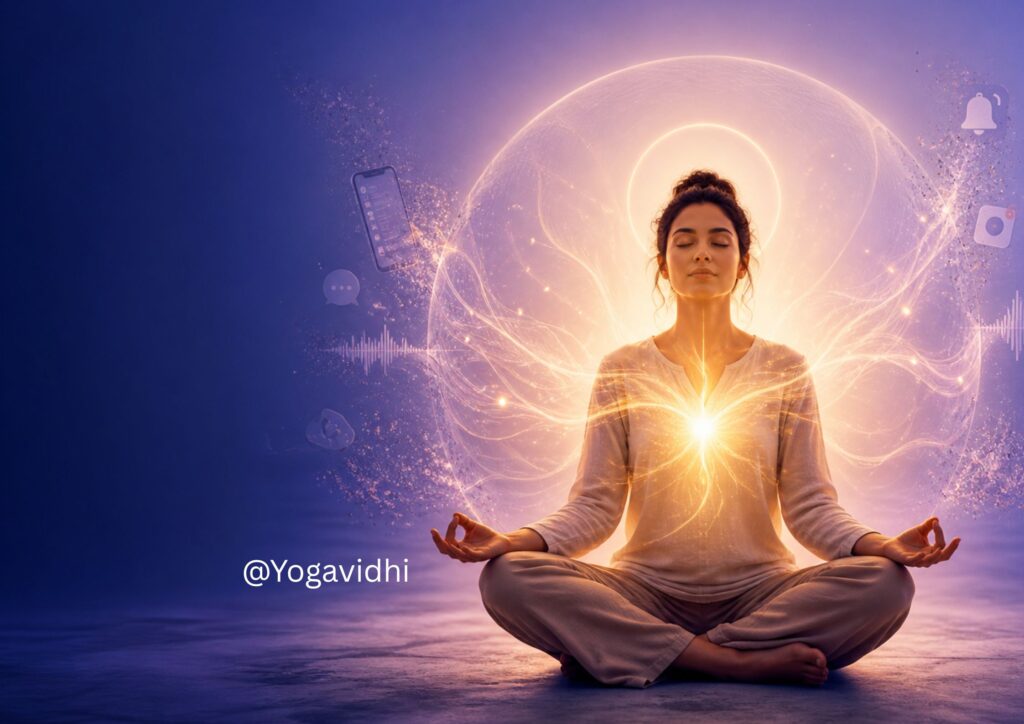

Pratyahara, the fifth limb of yoga, involves withdrawing the senses by gently shifting awareness away from external distractions and directing it inward. This practice is highly effective for relieving stress, as it interrupts the continuous flow of sensory input that often leads to anxiety, helping the nervous system relax and the mind settle into a state of inner calm.
In today’s hyper-connected world, your mind is constantly bombarded with notifications, noise, and endless distractions. It’s no surprise that stress, anxiety, and mental fatigue have become part of daily life. But what if the solution isn’t doing more but withdrawing inward? That’s where Pratyahara meditation comes in. If you’ve been searching for a natural, effective way to calm your mind, improve focus, and reduce stress, learning How to Practice Pratyahara Meditation Daily for Stress Relief can be a life-changing step. This ancient yogic technique teaches you how to disconnect from external chaos and reconnect with inner peace.
Let’s explore this powerful practice in depth and learn how you can make it a part of your daily routine.
Table of Contents
What is Pratyahara Meditation?
Pratyahara is the fifth limb of yoga described by Patanjali in the Yoga Sutras. The word “Pratyahara” comes from Sanskrit:
- Prati = against or away
- Ahara = intake or sensory input
Together, it means withdrawal of the senses. Unlike other meditation techniques that focus on concentration or mindfulness, Pratyahara teaches you to turn your awareness inward by gently disconnecting from external stimuli like sounds, sights, and sensations.
Think of it as a mental reset button. A way to pause the outside world and create space for calmness within.
Why Pratyahara is Essential for Stress Relief
Modern stress is often caused by sensory overload. From scrolling on your phone to dealing with constant noise and information, your mind rarely gets a break. This is exactly why understanding How to Practice Pratyahara Meditation Daily for Stress Relief is so important.
How It Works
- Reduces overstimulation of the nervous system
- Shifts your body from “fight or flight” to “rest and relax”
- Helps you detach from stressful triggers
- Creates mental clarity and emotional balance
When practiced regularly, Pratyahara allows you to respond to life calmly instead of reacting impulsively.
Top Benefits of Practicing Pratyahara Daily
1. Mental Benefits
- Reduces stress and anxiety
- Improves focus and concentration
- Enhances emotional resilience
2. Physical Benefits
- Lowers heart rate and blood pressure
- Relieves muscle tension
- Promotes better sleep
3. Emotional and Spiritual Benefits
- Deepens self-awareness
- Encourages inner peace
- Prepares the mind for deeper meditation
If your goal is long-term mental wellness, mastering How to Practice Pratyahara Meditation Daily for Stress Relief can be incredibly powerful.
Preparing for Your Pratyahara Practice
Before diving into the practice, it’s important to set the right foundation.
1. Choose the Right Time
2. Create a Peaceful Environment
- Quiet, clutter-free space
- Soft lighting or natural light
- Comfortable seating arrangement
3. Set a Clear Intention
Ask yourself:
- Why am I practicing today?
- What stress am I ready to release?
This simple step makes your meditation more meaningful.
Step-by-Step Guide: How to Practice Pratyahara Meditation Daily for Stress Relief
Now let’s get into the core practice.
Step 1: Sit Comfortably
Sit in a relaxed posture:
- Cross-legged on the floor
- Or on a chair with your spine straight
Keep your hands resting gently on your knees.
Step 2: Focus on Your Breath
Close your eyes and take slow, deep breaths.
- Inhale through your nose
- Exhale slowly
Let your breath become natural and steady. This anchors your awareness.
Step 3: Begin Sensory Withdrawal
Now gently shift your attention inward.
- Notice external sounds but do not react
- Relax your body and release tension
- Let go of visual distractions as your eyes remain closed
Imagine turning down the volume of the outside world.
Step 4: Observe Without Judgment
Thoughts will arise. That is normal.
Instead of resisting:
- Observe them
- Let them pass like clouds
This is a key part of mastering How to Practice Pratyahara Meditation Daily for Stress Relief.
Step 5: Enter Inner Awareness
As your senses withdraw, you may notice:
- A sense of calm
- Reduced mental chatter
- Deep inner stillness
Stay in this state for a few minutes.
Step 6: Return Gently
Slowly bring your awareness back:
- Deepen your breath
- Move your fingers and toes
- Open your eyes
Take a moment to notice how you feel.
Read More: Home Yoga: Your Complete Guide to a Healthier Body & Calmer Mind
Read More: Yoga for Flexibility: Transform Your Body, Improve Mobility & Feel Younger Naturally
| Category | Details |
| Meaning of Pratyahara | Withdrawal of senses from external distractions |
| Origin | Fifth limb of yoga by Patanjali |
| Main Goal | Reduce stress by turning awareness inward |
| Best Time to Practice | Morning for clarity or evening for relaxation |
| Ideal Duration | Beginners: 5 to 10 minutes, Intermediate: 10 to 20 minutes |
| Beginner Techniques | Body scan, breath awareness, visualization, guided meditation |
| Advanced Techniques | Yoga Nidra, Trataka, silence practice, digital detox |
| Mental Benefits | Reduced anxiety, improved focus, emotional balance |
| Physical Benefits | Better sleep, lower heart rate, reduced tension |
| Consistency Tips | Fixed schedule, start small, journaling progress |
| Who Can Practice | Beginners, students, professionals, anyone with stress |
| Real-Life Application | Reduce screen time, mindful breaks, silence practice |
Beginner-Friendly Pratyahara Techniques
If you are new, start with these simple methods:
1. Body Scan Technique
Focus on each part of your body and relax it step by step.
2. Breath Awareness
Keep your attention solely on your breathing.
3. Visualization
Imagine yourself in a peaceful place such as a beach or forest.
4. Guided Meditation
Use audio guidance to help you stay focused.
These techniques make it easier to learn How to Practice Pratyahara Meditation Daily for Stress Relief without feeling overwhelmed.
Advanced Pratyahara Practices
Once you are comfortable, you can explore deeper techniques:
- Yoga Nidra or yogic sleep for deep relaxation
- Trataka or steady gazing practice before closing the eyes
- Silent retreats or digital detox
These methods enhance your ability to disconnect from external distractions.
Daily Routine for Pratyahara Meditation
Consistency is key.
Beginner Routine (5 Minutes)
- 1 minute breathing
- 3 minutes sensory withdrawal
- 1 minute awareness
Intermediate Routine (10 to 20 Minutes)
- 5 minutes breath focus
- 10 minutes withdrawal practice
- 5 minutes stillness
Weekly Progression
- Week 1: 5 minutes daily
- Week 2: 10 minutes
- Week 3 and beyond: 15 to 20 minutes
Following a routine ensures you truly benefit from How to Practice Pratyahara Meditation Daily for Stress Relief.
Common Mistakes to Avoid
Even a simple practice can go wrong if not done mindfully.
- Forcing your mind to be silent
- Expecting instant results
- Practicing inconsistently
- Getting frustrated with distractions
Remember, progress in meditation is gradual.
Tips to Stay Consistent
- Practice at the same time daily
- Start small and increase gradually
- Keep a meditation journal
- Combine with yoga or breathing exercises
Discipline turns practice into transformation.
Pratyahara in Modern Life
You do not need to sit cross-legged all day to practice Pratyahara. You can apply it in everyday situations:
- Take short breaks from screens
- Eat without distractions
- Spend time in silence
- Practice mindful breathing during work
These small habits reinforce How to Practice Pratyahara Meditation Daily for Stress Relief in real life.
Who Should Practice Pratyahara Meditation?
This practice is ideal for:
- Beginners in meditation
- People dealing with stress or anxiety
- Students needing better focus
- Professionals facing burnout
Simply put, anyone seeking peace in a noisy world can benefit.
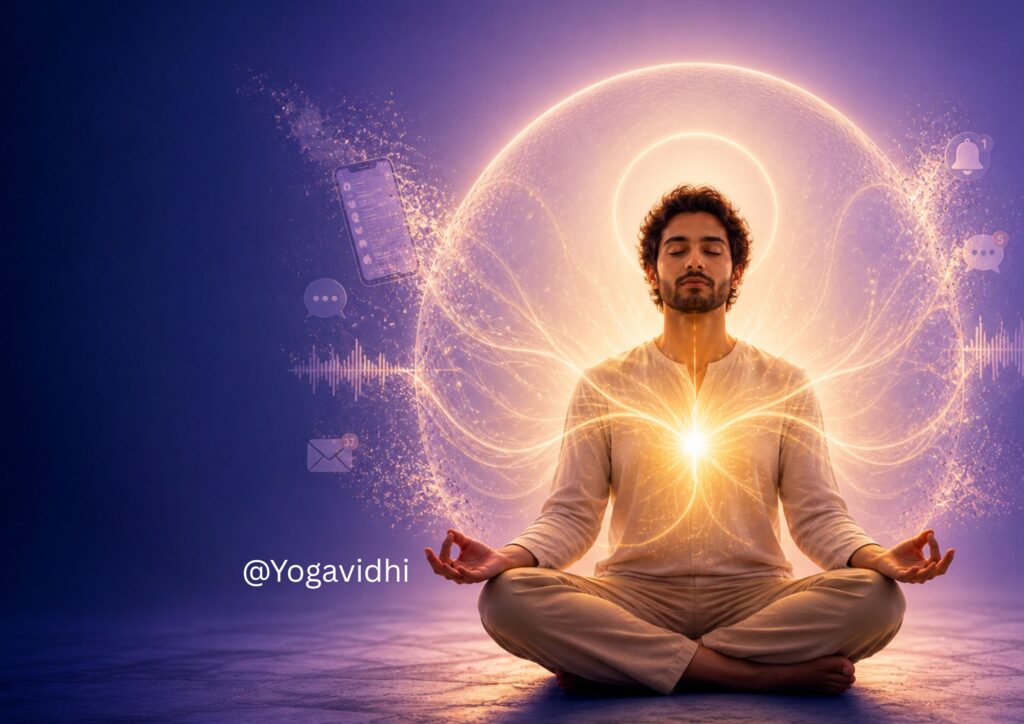
Conclusion: Start Your Journey Inward
Learning How to Practice Pratyahara Meditation Daily for Stress Relief is not about escaping the world. It is about mastering your response to it. In a world full of noise, the real power lies in silence.
By practicing Pratyahara daily, you:
- Gain control over your senses
- Reduce stress naturally
- Build a calm and focused mind
Start with just a few minutes today. Stay consistent. Gradually, you will notice a profound shift not just in your mind, but in your entire life. Your peace is already within you. Pratyahara simply helps you find it.
FAQ:
Q. How long should I practice daily?
Ans: Start with 5 to 10 minutes and gradually increase.
Q. Is it suitable for beginners?
Ans: Yes, it is simple and adaptable.
Q. When will I see results?
Ans: You may feel calmer within a few sessions, but long-term benefits come with consistency.
Q. Can it replace other meditation practices?
Ans: It complements other techniques rather than replacing them.
Q. Can I practice Pratyahara meditation if my mind is very restless?
Ans: Yes, you absolutely can. In fact, Pratyahara is especially helpful for a restless mind. You do not need a perfectly calm mind to begin. The practice itself gradually trains your mind to become quieter. Start with short sessions, focus on your breath, and gently withdraw your attention from distractions. Over time, as you continue practicing How to Practice Pratyahara Meditation Daily for Stress Relief, you will notice improved focus, reduced mental noise, and a greater sense of inner calm.
Q. How can I practice pratyahara daily?
Ans: Skip one meal each week or temporarily give up a favorite food. Practice silence by attending a silent retreat, staying quiet for a day or two regularly, or setting aside daily quiet hours, such as from 10 p.m. to 8 a.m. Refrain from gossip and negative comments.
Q. How can I add the practice of pratyahara into my life?
Ans: Reconnect with nature by walking barefoot, gazing at the sky, or spending time near water. Be mindful of what you take in through your senses by choosing experiences, conversations, and foods that nourish and uplift you rather than drain your energy. Incorporate Ayurvedic practices like herbal teas, massages, and gentle yoga to promote a balanced and calm mind-body connection.
Q. How does pratyahara reduce stress?
Ans: Pratyahara, in particular, offers a clear way to break free from worldly attachments by withdrawing the senses, helping to stay calm and steady the mind (referred to as “citta” in Sanskrit). To experience pure consciousness, a harmonious balance between the body, mind, and surrounding environment is essential.
Declaration Note:
We use third-party videos and images on https://yogavidhi.com/ for educational and illustrative purposes. All rights belong to their respective owners. No copyright infringement is intended.