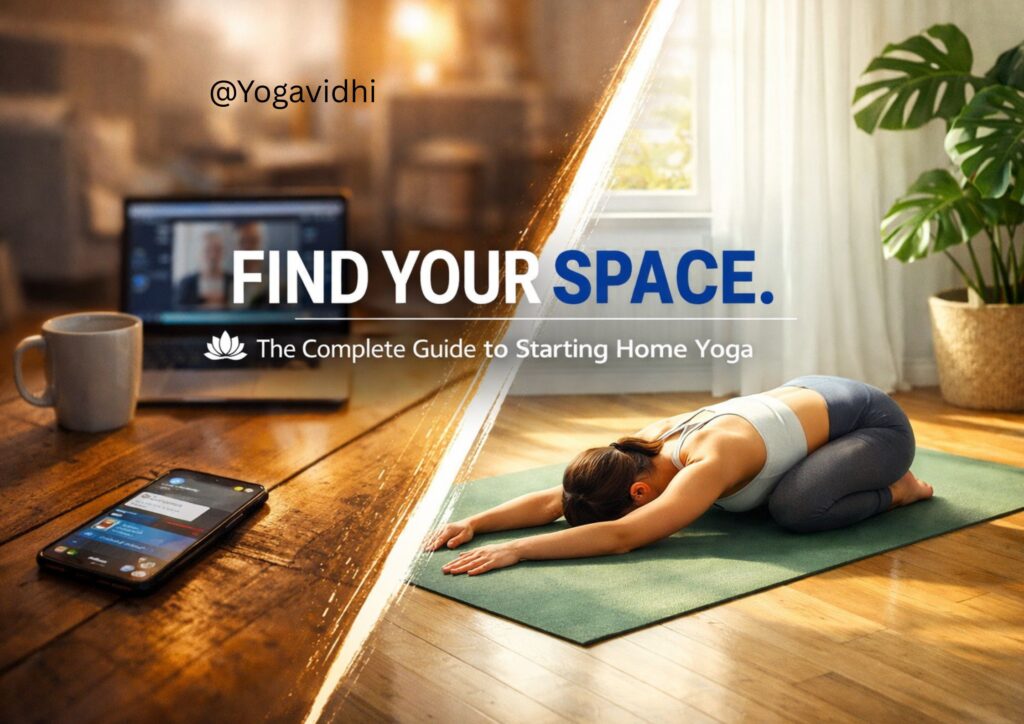

In today’s fast-paced world, finding time for fitness can feel like a challenge. Between work, family responsibilities, and daily stress, going to a gym or yoga studio isn’t always practical. That’s where home yoga comes in, a flexible, effective, and deeply rewarding way to improve your physical and mental well-being right from the comfort of your home.
Whether you’re a beginner or someone returning to fitness, home yoga offers a personalized path toward better health. This comprehensive guide will walk you through everything you need to know, from benefits and beginner tips to routines and expert advice, so you can confidently start your yoga journey today.
Home yoga provides an easy and convenient way to enhance flexibility, build strength, and support mental well-being, with just 20 minutes a day delivering noticeable health benefits. Popular approaches include Hatha yoga for relaxation and gentle stretching, along with beginner-friendly 10 – 40 minute routines available on YouTube. Key poses to begin with include Child’s Pose and Downward-Facing Dog.
Table of Contents
What is Home Yoga?
Home yoga refers to practicing yoga in your own space without the need to attend a studio or class physically. With the rise of digital platforms, guided sessions, and virtual instructors, practicing yoga at home has become easier than ever.
Unlike traditional classes, this yoga practice allows you to:
- Move at your own pace
- Customize your routine
- Practice anytime, anywhere
It’s not just about convenience, it’s about creating a sustainable and consistent wellness habit.
Top Benefits of Home Yoga
1. Convenience and Flexibility
One of the biggest advantages of this yoga is that it fits into your schedule. You don’t need to commute or follow fixed class timings. Whether it’s early morning or late evening, your practice adapts to your lifestyle.
2. Cost-Effective Fitness Solution
Yoga studios and gym memberships can be expensive. With home yoga, you only need a mat and comfortable clothing, making it a budget-friendly option.
3. Personalized Yoga Routine
Everyone’s body is different. Practicing home yoga allows you to focus on your unique goals, whether it is flexibility, strength, or stress relief.
4. Improves Physical Health
Regular home yoga practice can:
- Increase flexibility
- Build muscle strength
- Improve posture
- Boost energy levels
5. Enhances Mental Well-Being
Yoga is not just physical, it is deeply mental. Practicing home yoga helps:
- Reduce stress and anxiety
- Improve focus and clarity
- Promote relaxation and mindfulness
6. Builds Discipline and Consistency
When you commit to home yoga, you develop a daily habit that strengthens both body and mind.
How to Start Home Yoga (Beginner-Friendly Guide)
Starting home yoga doesn’t have to be complicated. Follow these simple steps:
Choose the Right Space
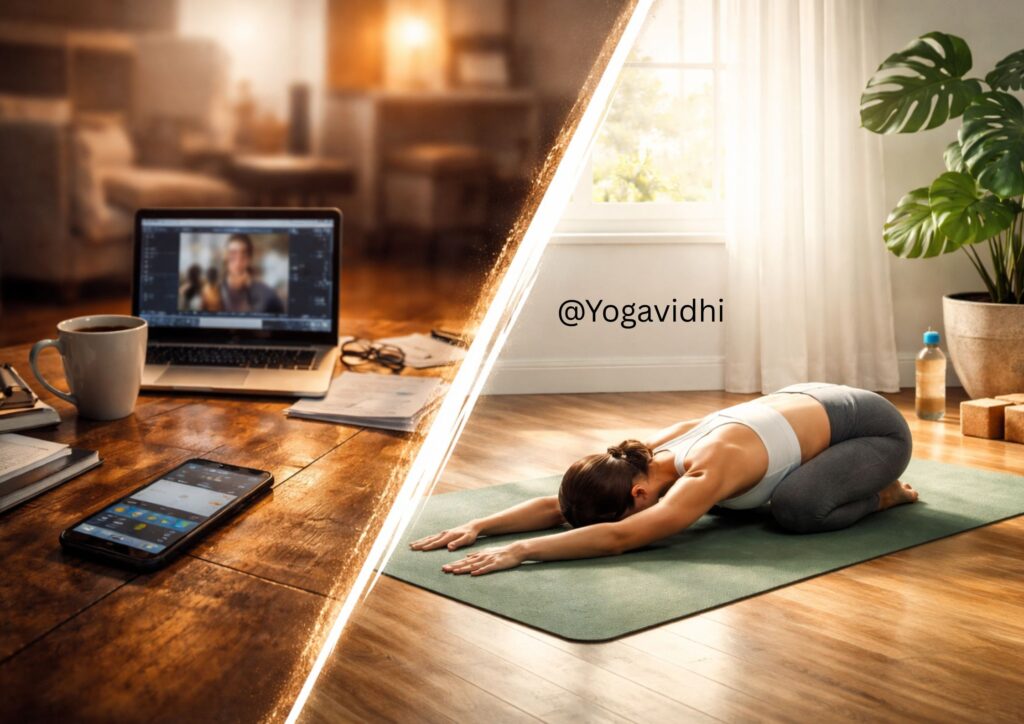
Pick a quiet, clean, and clutter-free area. Good ventilation and natural light can enhance your experience.
Get Essential Equipment
You don’t need much:
- A yoga mat
- Comfortable clothing
- Optional yoga blocks, straps, or cushions
Decide the Best Time
Morning yoga energizes your body, while evening yoga helps you relax. Choose a time that suits your routine and stick to it.
Set Realistic Goals
Start with short sessions of 10 to 15 minutes and gradually increase the duration. Consistency matters more than intensity.
Best Yoga Poses for Home Yoga Practice
Here are some beginner-friendly poses you can include in your home yoga routine:
1. Mountain Pose (Tadasana)
A simple standing posture that improves posture and balance.
2. Downward Facing Dog
Stretches the entire body and improves circulation.
3. Child’s Pose (Balasana)
A relaxing pose that calms the mind and relieves tension.
4. Cat Cow Stretch
Enhances spinal flexibility and warms up the body.
5. Cobra Pose (Bhujangasana)
Strengthens the back and opens the chest.
6. Seated Forward Bend
Improves flexibility and relaxes the nervous system.
Read More: Yoga for Arthritis: A Natural Way to Relieve Pain and Restore Joint Health
Read More: Laughing Yoga: Meaning, Benefits, Techniques, and the Science of Healing Through Laughter
| Level | Duration | Routine Structure |
| Beginner | 15 to 20 minutes | Warm up, basic poses, relaxation |
| Intermediate | 30 minutes | Surya Namaskar, standing and seated poses, breathing |
| Advanced | 45+ minutes | Flow yoga, strength poses, meditation |
Sample Home Yoga Routine for All Levels
Beginner Routine (15 to 20 Minutes)
- 5 minutes of gentle warm up
- 10 minutes of basic poses
- 5 minutes of relaxation or meditation
Intermediate Routine (30 Minutes)
- Sun Salutations also known as Surya Namaskar
- Standing and seated poses
- Breathing exercises
Advanced Routine (45 Minutes or More)
- Dynamic yoga flow
- Balance and strength poses
- Deep meditation and relaxation
The Role of Breathing in Home Yoga
Breathing, also known as pranayama, is the foundation of yoga. It enhances the effectiveness of your home yoga practice.
Popular Breathing Techniques
- Deep breathing
- Alternate nostril breathing also known as Nadi Shodhana
- Kapalbhati
- Ujjayi breathing
These techniques improve oxygen flow, reduce stress, and enhance focus.
How to Create a Sustainable Home Yoga Routine
Consistency is the key to success in home yoga. Here’s how you can build a lasting routine:
1. Set a Weekly Schedule
Plan your sessions like appointments. Aim for at least 3 to 5 days per week.
2. Mix Different Styles
Include flexibility, strength, and relaxation exercises for a balanced routine.
3. Track Your Progress
Keep a journal to monitor improvements in flexibility, strength, and mental clarity.
Common Mistakes to Avoid in Home Yoga
Even though home yoga is simple, beginners often make mistakes:
- Skipping warm ups
- Practicing with incorrect posture
- Overexerting the body
- Being inconsistent
- Ignoring breathing techniques
Avoiding these mistakes will make your practice safer and more effective.
Tips to Stay Motivated with Home Yoga
Staying consistent with home yoga can be challenging at first. Here are some practical tips:
- Create a dedicated yoga space
- Follow online yoga classes or apps
- Set clear goals
- Practice with calming music
- Celebrate small progress
Home Yoga for Specific Goals
1. Home Yoga for Weight Loss
Regular sessions combined with dynamic poses can help burn calories and improve metabolism.
2. Home Yoga for Flexibility
Stretching poses improve mobility and reduce stiffness.
3. Home Yoga for Stress Relief
Breathing exercises and meditation calm the mind and reduce anxiety.
4. Home Yoga for Beginners
Start slow with basic poses and gradually build confidence.
Safety Tips for Practicing Home Yoga
Safety should always be a priority in your home yoga practice:
- Listen to your body
- Avoid pushing beyond your limits
- Modify poses if needed
- Stay hydrated
- Consult a professional if you have injuries or medical conditions
Why Home Yoga is the Future of Fitness
The global shift toward flexible lifestyles has made home yoga more popular than ever. It combines convenience, affordability, and effectiveness, making it a sustainable fitness solution for people of all ages.
With the rise of online platforms, virtual classes, and mobile apps, practicing yoga at home has never been easier. You no longer need expensive memberships or strict schedules to stay fit and healthy.
Conclusion: Start Your Home Yoga Journey Today
Home yoga is more than just a workout, it is a lifestyle. It empowers you to take control of your health, reduce stress, and build a stronger connection with your body and mind.
The best part is that you do not need perfect flexibility or advanced skills to begin. All you need is a small space, a few minutes each day, and the willingness to show up.
Start your home yoga practice today, and experience the transformation it can bring to your life physically, mentally, and emotionally.
FAQ:
Q. Can beginners practice home yoga?
Ans: Yes, home yoga for beginners is very effective. Start with simple poses and short sessions.
Q. How long should I practice yoga at home?
Ans: Even 15 to 30 minutes daily can deliver great results with consistency.
Q. Do I need a teacher for home yoga?
Ans: Not necessarily. Online classes and tutorials can guide you effectively.
Q. Is home yoga as effective as studio yoga?
Ans: Yes, with proper discipline and consistency, home yoga can be equally effective.
Q. What is the best time for home yoga?
Ans: Morning is ideal for energy, while evening helps with relaxation. Choose what suits you best.
Q. What are the benefits of home yoga?
Ans: The Benefits of Practicing Yoga at Home
1. You don’t need to be perfect. Unlike in a class setting where we may feel pressure to perform, practicing at home allows you to move at your own pace without judgment.
2. It helps build discipline. Regular home practice encourages consistency and strengthens your commitment to a healthy routine.
3. It gives you the freedom to choose. You can decide the style, duration, and intensity that best suits your needs each day.
4. There’s no need to rush. Practicing at home removes the stress of getting ready and heading out, letting you fully relax into your session.
5. It’s completely cost-effective. You can enjoy all the benefits of yoga without spending money on classes or memberships.
Declaration Note:
We use third-party videos and images on https://yogavidhi.com/ for educational and illustrative purposes. All rights belong to their respective owners. No copyright infringement is intended.